Why Git-Based CMS Pricing Feels Awkward for Freelancers
TinaCMS's $29/mo team tier and recent instability are pushing freelancers to look for simpler, cost-effective alternatives for client content editing.
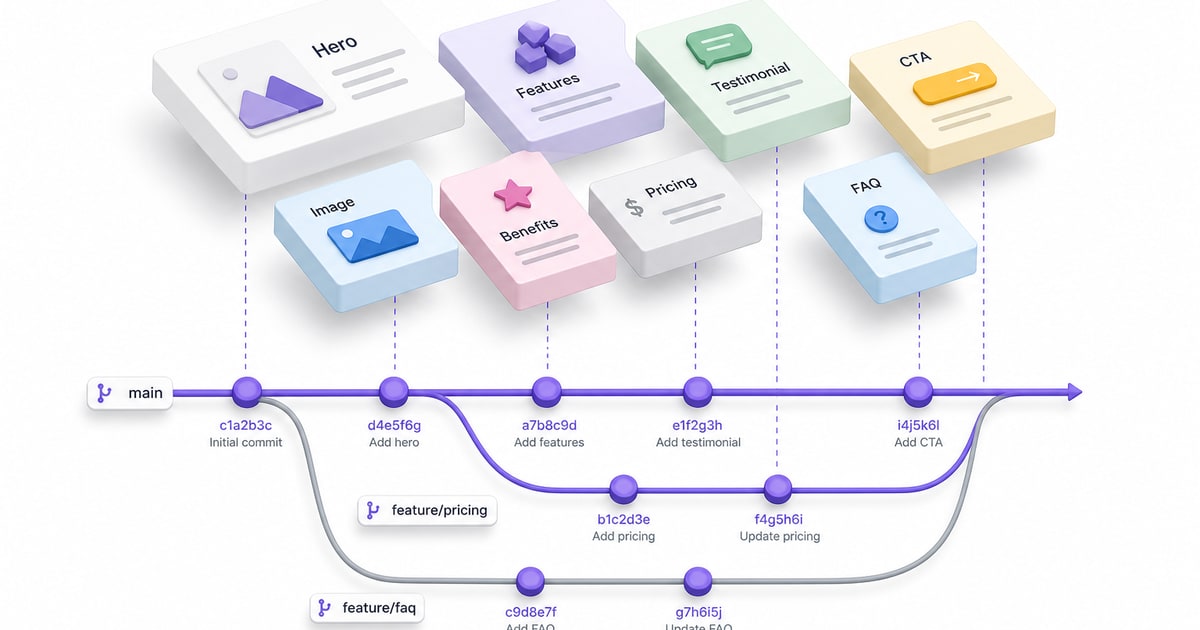
You finish a client site. It’s fast, clean, deployed to Netlify, and the content lives in Markdown files exactly where you want it. Then the client asks how they can update a blog post.
You reach for TinaCMS because it integrates directly with Git and skips the database entirely. Then you open the pricing page.
The free tier limits you to a single user and one project. The moment a client needs to log in, you’re looking at a recurring monthly subscription. That pricing makes sense for collaborative editorial teams and agencies managing active content operations. But for freelancers building lightweight static sites, the economics feel very different.
For a project where the client might update their site a few times per quarter, it’s difficult to justify an ongoing subscription just to provide a text editor. And based on active discussion in TinaCMS’s GitHub issues, that friction isn’t isolated to pricing alone. Long-running threads like issue #3096 reflect ongoing frustration around the team tier cost, while more recent discussions have highlighted concerns about regressions and upgrade instability in minor releases: exactly the kind of operational uncertainty freelancers try to avoid introducing into low-maintenance client projects.
The Freelance Math Doesn’t Add Up
The paid tiers aren’t unreasonable in the abstract. If you’re an agency supporting multiple editors across several active projects, the pricing can make sense.
But that’s not most freelance work.
Most freelance projects involve a small business owner, consultant, nonprofit, or local organization that occasionally needs to update some text, swap a photo, or publish an announcement. They don’t want to manage another SaaS subscription, and you probably don’t want to become long-term technical support for a cloud-hosted editing layer.
The underlying problem is structural. Most cloud-hosted CMS platforms, even Git-backed ones, depend on recurring subscriptions because the editorial interface is the product. The vendor has to maintain authentication, hosting, collaboration features, and support infrastructure, so recurring pricing is understandable.
But that business model creates friction for static-site projects designed around simplicity and low maintenance. Freelancers often want to hand off a site and step away cleanly. Instead, they end up absorbing the cost themselves, passing it to a client who doesn’t fully understand why they’re paying it, or removing the CMS entirely and leaving the client with a GitHub workflow they aren’t comfortable using.
What a Cleaner Handoff Looks Like
The alternative isn’t necessarily going back to WordPress or standing up a fully hosted headless CMS.
The actual requirement is much narrower: clients need a safe, simple way to edit content, and those edits need to flow back into Git without the developer manually managing every change.
That’s the gap tools like Mergeline are trying to address.
Mergeline sits on top of an existing repository, provides an editing interface tied directly to the site’s content files, and writes changes back as commits. Instead of charging per editor seat, its pricing is structured around managed sites, which aligns more naturally with the way many freelancers deliver static-site projects. There’s also no separate headless CMS infrastructure for clients to learn or maintain.
For many freelance sites, that tradeoff is simpler: fewer moving parts, more predictable costs, and a handoff the client can understand without learning an entirely new platform.
TinaCMS remains a well-built tool with an active team behind it. But its pricing and operational model were clearly designed for organizations managing ongoing editorial workflows, not necessarily for solo freelancers handing off five-page Astro sites to small businesses.
If you’re running into friction with that model, the problem may not be the tool itself. It may simply be that the economics and infrastructure expectations were designed for a different kind of project than the one you’re actually building.